
SABRENT 74 in 1 3.5 Inch
4.0Editor score
Supports 74 Card Types
Includes USB 2.0 Port
Internal Power Connector
This guide compares the top internal media card readers for desktop PCs, evaluating compatibility, speed, and build quality to help you choose the right model.
Finding the right internal media card reader can transform how you manage data on your desktop computer. These devices offer convenient front panel access for transferring files from various memory cards without needing external dongles. Whether you are a photographer or videographer, having reliable internal storage access is crucial for efficient workflows.
We have evaluated ten distinct models based on their compatibility, transfer speeds, and ease of installation. Our analysis focuses on how well each unit integrates with standard drive bays and supports modern card formats. This list covers options ranging from budget-friendly multi-format readers to professional-grade units with USB 3.0 connectivity.
Each pick highlights specific strengths such as simultaneous slot access or premium build materials. You will see detailed breakdowns of supported card types and physical interface options. Please note that product availability and pricing can fluctuate frequently on retail platforms.
4.0Editor score
4.5Editor score

5.0Editor score
The following table provides a side-by-side comparison of all ten internal media card readers included in this guide. It highlights key specifications and supported formats to help you quickly identify the best fit for your specific desktop configuration and usage needs.


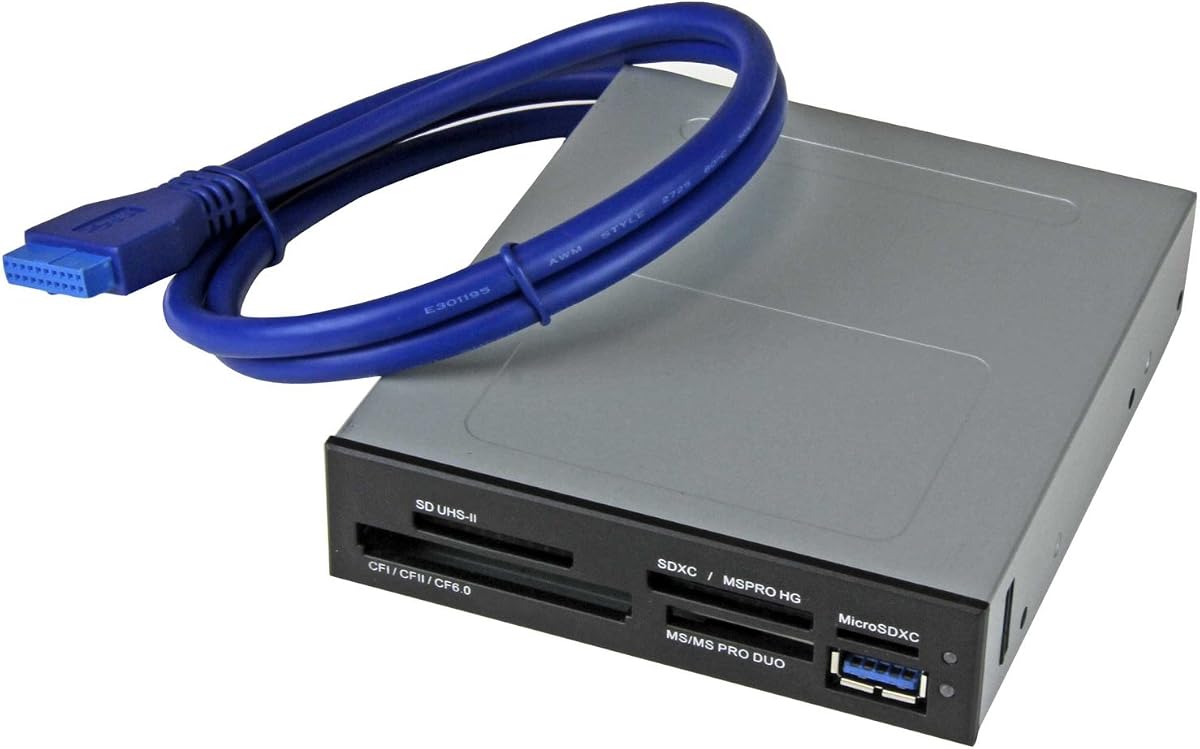
This StarTech model stands out as a top choice for professionals needing reliable internal card access. It supports a wide variety of formats including the newer UHS-II cards which ensures future proofing for high speed workflows. The build quality is robust and designed specifically for IT environments requiring consistent performance.
We may earn a commission when you buy through this link, at no additional cost to you.
One of its key strengths is the ability to access four different card slots simultaneously. This feature significantly speeds up data transfer tasks when moving files between multiple media cards. The USB 3.0 interface ensures that bandwidth bottlenecks are minimized during large file operations like video editing.
While the price is higher than basic models the performance gains justify the cost for heavy users. The TAA compliance makes it suitable for government procurement which adds value for specific enterprise clients. The included cables and hardware simplify the installation process significantly.
Photographers and videographers should consider this unit for its speed and reliability. The front facing USB port provides easy access without reaching behind the case. Overall this is a premium solution for those who need internal card reading capabilities.
The ability to read four cards at once streamlines bulk data migration tasks efficiently.
Supporting UHS-II ensures you can leverage the full speed of modern high capacity cards.
We may earn a commission when you buy through this link, at no additional cost to you.
The SABRENT 74 in 1 reader is an excellent choice for users on a budget who need broad compatibility. It supports an impressive number of card types ranging from old XD cards to modern SDXC. This versatility makes it a great all-in-one solution for legacy and current media needs.
We may earn a commission when you buy through this link, at no additional cost to you.
Its internal power connector ensures stable operation even when multiple cards are accessed at once. The addition of a USB 2.0 port adds extra value by allowing you to connect other peripherals directly to the front panel. This reduces clutter and simplifies your desk setup.
While it does not offer USB 3.0 speeds the cost savings are significant compared to premium models. The build is functional but relies on plastic which may not appeal to those seeking industrial durability. However for home use it provides exceptional value for money.
Home users or casual photographers will find this unit meets most of their daily needs. It is easy to install and works with older operating systems well. If you need maximum format support without breaking the bank this is a strong candidate.
Supporting 74 formats means you rarely need external adapters for older memory cards.
The built-in USB 2.0 port allows for convenient connection of flash drives or mice.
We may earn a commission when you buy through this link, at no additional cost to you.
The Vantec Link model boasts a perfect rating due to its advanced features and reliable performance. It supports massive capacities including SDXC cards up to two terabytes which is ideal for archiving large video projects. The Multi-LUN technology allows multiple cards to be accessed efficiently.
We may earn a commission when you buy through this link, at no additional cost to you.
Its support for Quad data access on Memory Stick Pro HG cards enhances transfer rates significantly. This technical detail shows it is designed for users who demand the highest data integrity and speed. The USB 3.0 header ensures fast throughput directly to your system bus.
The build quality is robust and designed to withstand frequent use in professional environments. While casual users might not need all these advanced features the reliability is undeniable. It is a solid investment for anyone managing high volume data transfers regularly.
Professionals handling terabytes of data should prioritize this unit for its capacity support. The internal connection reduces clutter and provides a clean front panel experience. This model represents the pinnacle of internal card reading technology.
Multi-LUN technology allows for seamless switching between multiple card types during operations.
Handling up to 2TB ensures you are ready for future high density memory card releases.
We may earn a commission when you buy through this link, at no additional cost to you.
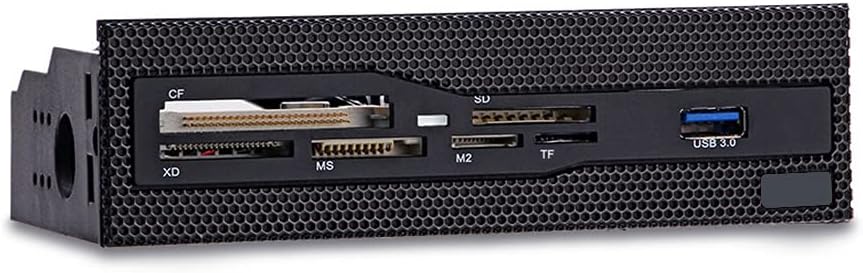
This 5.25 inch unit is designed for PCs with larger drive bays that need front panel utility. It offers USB 3.0 speeds which are essential for modern high speed memory cards. The copper plated card slots ensure stable electrical connections during data transmission.
We may earn a commission when you buy through this link, at no additional cost to you.
The grid panel design allows it to blend well with mesh front cases for a cohesive look. This attention to aesthetics makes it popular among custom PC builders who value appearance. Installation is straightforward as it uses standard mounting screws.
While it lacks a USB 2.0 hub the card reading functionality is its main focus. The five slots cover the most common formats so you rarely need adapters for daily tasks. It provides a balance of speed and style.
Custom builders looking to maximize front panel utility should consider this model. It transforms an empty drive bay into a useful workstation tool. If you have the space this reader is a great addition to your build.
Copper plated slots reduce signal interference and improve transfer stability over time.
The grid pattern matches modern PC cases making it visually unobtrusive.
We may earn a commission when you buy through this link, at no additional cost to you.
This dashboard panel combines multiple utilities including card reading audio and SATA connections. It supports USB 3.0 hub functionality which allows you to connect flash drives easily. The eSATA port is a unique feature for adding external storage without opening the case.
We may earn a commission when you buy through this link, at no additional cost to you.
Audio jacks are included for microphone and speakers solving a common inconvenience. This makes the panel a versatile front panel upgrade for older cases lacking front ports. The LED indicators show drive activity which helps troubleshoot connection issues quickly.
While the construction is plastic it provides a solid feel for the price. The combination of features makes it a hub for front panel needs beyond just cards. However the rating suggests some users may find connectivity inconsistent.
PC builders needing audio and extra ports alongside card reading should find it useful. It reduces cable clutter by consolidating connections into one unit. This is a comprehensive solution for maximizing case front utility.
The eSATA port enables high speed external SSD connections directly from the front.
Having front audio jacks allows for quick headphone swapping without reaching behind.
We may earn a commission when you buy through this link, at no additional cost to you.
This multifunction dashboard offers an extensive number of ports including USB and audio. It supports both USB 2.0 and 3.0 standards to ensure compatibility with older and newer devices. The card reader covers standard formats to simplify your file management tasks.
We may earn a commission when you buy through this link, at no additional cost to you.
The inclusion of SATA data cables means you can connect drives internally via the panel too. This adds flexibility for users who want to manage drive cabling through the front. The support for Linux and Mac adds to its broad OS compatibility.
Installation involves several cables which might be challenging for beginners. However for power users this unit provides a central hub for most peripheral connections. It is a robust choice for those who want to maximize front panel ports.
Users who need audio and multiple USB ports alongside card access will appreciate this. It consolidates many connections into one panel reducing back panel clutter. This makes it a strong contender for workstation PCs.
With six USB ports you can connect multiple peripherals without external hubs.
Operating system support extends to Linux and Mac offering flexibility for developers.
We may earn a commission when you buy through this link, at no additional cost to you.
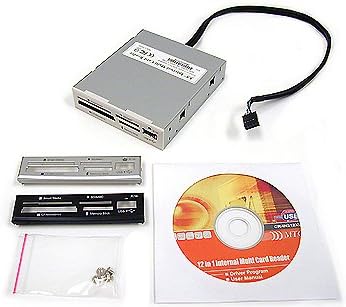
This Sony reader is known for its broad compatibility with older and current memory cards. The 17-in-1 support covers many niche formats that might be found in legacy equipment. It includes software that helps with drive letter recognition which can simplify setup.
We may earn a commission when you buy through this link, at no additional cost to you.
The two faceplate options allow you to match your PC case aesthetic more closely. This attention to detail adds a premium feel to the unit. The internal mounting keeps it hidden and secure within your chassis.
Performance is reliable but it lacks the speed of modern USB 3.0 units. For basic file transfers this is rarely an issue. However if you move huge files daily you might prefer a faster model.
Users with older equipment or specific legacy card needs will find this valuable. The Sony brand reputation suggests a solid build quality. It is a great choice for compatibility over raw speed.
Included software simplifies the process of assigning drive letters to card readers.
Black and ivory faceplates allow for customization to match your system.
We may earn a commission when you buy through this link, at no additional cost to you.
This compact reader fits into 2.5 inch bays which are common in modern cases. It supports the standard formats needed for most photography and transfer tasks. The three bezel colors help it blend in with different system aesthetics.
We may earn a commission when you buy through this link, at no additional cost to you.
The build quality is noted for being reliable and high quality. This suggests it will handle daily use without degradation. Since it is internal it offers a clean look without external cables.
It does not have advanced features like multiple USB ports but it does its job well. For users who just need a simple reader this is an excellent choice. The installation process is straightforward and requires basic tools.
Users looking for a no fuss reader should consider this model. It fits smaller cases and provides essential functionality. If simplicity is your goal this unit delivers.
Fits 2.5 inch bays making it ideal for smaller cases with limited space.
Black silver and white bezels allow you to match your PC case finish.
We may earn a commission when you buy through this link, at no additional cost to you.
The Akasa model features dedicated ports for adapters which simplifies using smaller cards. It supports high capacity SDHC cards ensuring you can transfer files quickly. The extra USB port adds convenience for connecting flash drives.
We may earn a commission when you buy through this link, at no additional cost to you.
LED indicators show power and data transfer status which is useful for troubleshooting. The front panel design fits standard 3.5 inch bays seamlessly. The build includes two panels for black or white finish options.
This unit is designed for ease of use with clear indicators. It is a solid choice for users who need front panel access. The adapter support means you do not need to buy separate adaptors for your cards.
Photographers who use microSD cards will find the dedicated slots helpful. The unit is reliable and easy to install. If you want a simple and effective solution this is a strong option.
Dedicated ports for adapters allow you to use microSD cards directly.
LED lights show activity status so you know when data is transferring.
We may earn a commission when you buy through this link, at no additional cost to you.
This MTG reader features a metal case which adds durability and stability. It supports 22 different card formats covering a wide range of needs. The unit is hot swappable so you can connect and disconnect without restarting.
We may earn a commission when you buy through this link, at no additional cost to you.
Plug and Play capability makes it easy to use with various operating systems. The bezel options allow you to customize the look to match your case. It is a budget friendly option with solid build materials.
While it uses USB 2.0 it is still fast enough for standard SD cards. For archival tasks this speed is acceptable. The metal construction helps it last longer than plastic units.
Users needing a durable unit at a low price will appreciate this model. The wide format support ensures compatibility. If you want a reliable metal reader this is a good choice.
A metal case provides better durability and stability for the internal unit.
Hot swappable support allows you to change cards or disconnect freely.
We may earn a commission when you buy through this link, at no additional cost to you.
Choosing the right internal media card reader requires evaluating several factors including bay size, supported formats, and transfer speeds to ensure seamless integration with your system.
Internal readers must fit your desktop case drive bays. Most units come in 3.5 inch sizes for standard tower cases while some offer 5.25 inch options for older or larger chassis. Measuring your available space before purchase ensures a perfect fit.
Always measure your case bay dimensions to confirm compatibility with 3.5 or 5.25 inch units.
Check which card types the reader supports such as SD SDXC Micro SD CF or Memory Stick. If you use rare cards like XD or M2 ensure the reader supports them to avoid needing external adapters. Broad compatibility saves time and money.
Prioritize models that support your current and future card formats to avoid adapters.
USB 3.0 units offer significantly faster speeds than USB 2.0 models. If you transfer large video files or high resolution photos regularly USB 3.0 is highly recommended for efficiency. Slower units may bottleneck modern high speed memory cards.
Opt for USB 3.0 or UHS-II support to ensure fast data transfer for large files.
Units with metal casings generally provide better stability and heat dissipation compared to plastic ones. Frequent card insertion requires robust slots that do not loosen over time. A durable build extends the lifespan of the device.
Choose models with sturdy construction and metal components for long-term reliability.
Many units include extra features like USB hubs audio jacks or eSATA ports. These can reduce clutter and provide versatile front panel access without opening the case. Evaluate if these extras justify the higher cost for your use case.
Look for bonus features like USB hubs that add value beyond just card reading.
Installation typically involves connecting a 20-pin header and power cable to the motherboard. Some units include all necessary screws and cables while others may require separate purchases. Check the package contents to ensure a smooth setup process.
Verify that all cables and screws are included to simplify the installation process.
Ensure the reader works with your operating system including Windows Mac or Linux. Most modern units are plug and play but checking specific compatibility lists helps avoid driver issues. Linux support is often a key differentiator for advanced users.
Confirm OS compatibility with Windows Mac or Linux to avoid driver headaches.
Prices vary significantly based on features and build materials. Budget models are great for casual use while premium units offer speed and durability for pros. Balance your needs with your budget to find the best value.
Balance your feature needs with the price to find the best value for your use.
To install the reader locate an empty 3.5 or 5.25 inch drive bay on your PC case. Connect the SATA power and USB 20 pin headers to the motherboard and secure the unit with screws. Ensure all cables are tucked neatly to avoid obstructing airflow.
Once installed insert your memory card gently into the appropriate slot. The LED indicators will light up to show activity and you can access the drive via your file explorer. Eject the card safely before removing it to prevent data corruption.
Regularly clean the card slots to prevent dust buildup which can cause connection issues. Avoid forcing cards into slots that do not match their type or orientation. With proper care your internal reader will last for years.
Most internal card readers are OS independent and work with Mac operating systems provided you have the correct header connection on your motherboard. Check the product specifications to confirm Mac compatibility before buying. Plug and Play support is common so drivers are usually not needed.
Measure your available drive bays to see if they are 3.5 inch or 5.25 inch sizes. Most modern cases use 3.5 inch bays for front panels while older or larger ones use 5.25 inch. Always verify your case dimensions to ensure the unit fits correctly.
USB 3.0 offers much faster data transfer speeds up to 5Gbps compared to 480Mbps for USB 2.0. For large files like videos USB 3.0 is significantly more efficient. However USB 2.0 models are cheaper and sufficient for small files.
Installing an internal card reader in a laptop is generally not recommended due to space constraints and internal design. External card readers are better suited for laptops as they connect via USB ports. Internal units are designed specifically for desktop tower cases.
The number of slots depends on the variety of cards you use. Five to six slots typically cover most common formats like SD and CF. Models with seven or more slots are ideal if you work with diverse card types like XD or M2.
Check if the power cables are connected properly to the motherboard and PSU. Ensure the card is inserted correctly into the slot. If the LED does not light up check for hardware issues or driver problems in your system settings.
We have reviewed ten top internal media card readers ranging from budget options to professional grade units. The StarTech and Vantec models offer high speed and advanced features for professionals. Meanwhile budget models like SABRENT provide great value for casual use.
Consider your card types and speed needs before deciding on a model. Ensure the drive bay size matches your case to avoid installation issues. A good unit simplifies your workflow by providing easy front panel access.
Remember that product availability and pricing can change frequently on retail platforms. Check current listings before finalizing your purchase to get the best deal. We hope this guide helps you find the perfect internal card reader for your system.