
AMD Ryzen 5 9600X
4.8Editor score
6 Cores and 12 Threads
Zen 5 Architecture Support
DDR5-5600 Memory Ready
Discover the top Cpus for 3D Rendering compared by experts. We analyze core counts, cache, and architecture to help you choose the right processor for your
Selecting the right central processing unit is critical for anyone serious about 3D rendering tasks. Modern software demands high core counts and efficient threading to handle complex scenes without bottlenecks. Whether you are an architect or a game developer, the CPU defines your productivity and render times significantly.
This guide compares ten leading processors optimized for demanding 3D rendering workloads. We evaluate architecture, cache sizes, and thread counts to ensure you find a chip that balances performance with efficiency. Each entry is selected based on real-world capabilities for creative professionals and power users alike.
Every pick includes detailed specs and practical advice on how it fits into a professional build. Prices and availability change frequently so verify current listings before purchasing. Our goal is to provide clear insights so you can invest wisely in hardware that accelerates your creative projects effectively.
4.8Editor score

4.8Editor score

4.2Editor score
The following table presents a side-by-side comparison of all ten processors featured in this guide. It highlights key specifications such as core count, thread count, boost clocks, and cache sizes to help you quickly identify the hardware that best matches your specific 3D rendering needs and budget constraints.


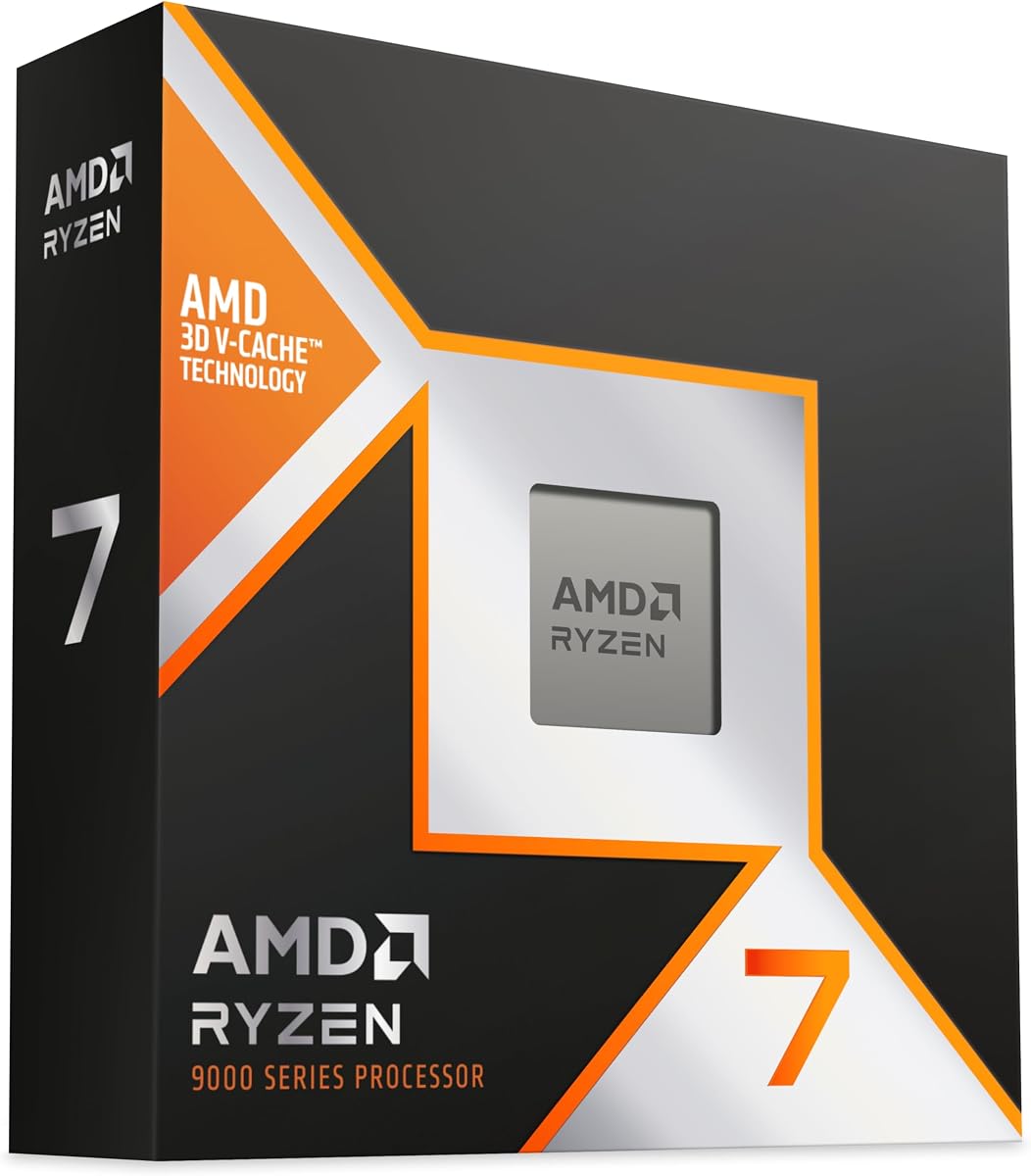


This processor stands out as a top choice for professionals needing reliable speed. With a rating of 4.8 it delivers consistent results in complex 3D tasks. Its blend of core count and single-core speed makes it ideal for rendering workflows.
We may earn a commission when you buy through this link, at no additional cost to you.
The 16 cores and 32 threads allow parallel processing of heavy scenes. Boost clocks reaching 5.7 GHz ensure fast feedback during modeling. The 80 MB cache reduces latency when handling large textures and geometry data.
Trade-offs include the need for robust cooling and a higher cost. These are acceptable given the performance gains in production environments. The unlocked design also invites enthusiasts to push limits further safely.
It fits anyone building a workstation for architecture or animation. Prioritize this model if you need speed across all cores. Check current availability and ensure your motherboard supports AM5 before buying.
More cores allow parallel rendering of frames reducing wait times significantly.
High boost speeds keep interactive tools responsive during active editing sessions.
We may earn a commission when you buy through this link, at no additional cost to you.
This chip offers extreme power for the most demanding render loads. It rates 4.2 and targets enterprise and studio environments. Its architecture supports massive memory and data throughput for large projects.
We may earn a commission when you buy through this link, at no additional cost to you.
With 32 cores and 64 threads it handles multi-tasking effortlessly. The 160 MB cache ensures data stays close to cores for speed. Eight-channel DDR5 support provides bandwidth that few other platforms match.
Cost and platform requirements are the main drawbacks. The price reflects workstation class hardware meant for professionals. Overclocking is possible but cooling demands are high for sustained loads.
Choose this if you run VFX studios or heavy simulations. It justifies investment through reduced render times at scale. Ensure your chassis and power supply meet the TDP needs before installing.
Eight-channel memory feeds data fast enough to prevent compute bottlenecks.
128 lanes allow multiple GPU and storage devices without slowing data.
We may earn a commission when you buy through this link, at no additional cost to you.
This processor brings modern architecture to budgets with strong efficiency. It rates 4.8 and suits hobbyists or entry-level creators. Single-core speed helps with interactive tasks even with fewer cores.
We may earn a commission when you buy through this link, at no additional cost to you.
The 5.4 GHz boost keeps responsiveness high during modeling work. DDR5-5600 support ensures memory speed keeps up with compute needs. It remains unlocked for those who want to experiment with settings.
Limited core counts mean slower full scene renders. This is acceptable for learning or smaller projects. The included cooler exclusion means budget extra for a basic tower unit.
Ideal for students or freelancers starting out in 3D. Prioritize it if you need low cost and modern features. Verify motherboard BIOS support for the 9000 series before purchase.
It proves that 3D work is possible on modest budgets today.
DDR5 ensures the system scales with future software demands.
We may earn a commission when you buy through this link, at no additional cost to you.
This model emphasizes cache size to boost data access speed. It rates 4.8 and shines where latency matters in rendering. The Zen 5 base brings IPC uplift for better per-core results.
We may earn a commission when you buy through this link, at no additional cost to you.
96MB L3 cache means frequently accessed textures stay on chip. Boost speeds of 5.2GHz help with single-threaded viewport work. Thermal focus allows higher clocks without overheating easily.
Cooler exclusion is a common industry practice now. Also this chip targets gamers but works well for light 3D tasks. Check that your motherboard supports the full features of AM5.
Best for users wanting a dual-purpose machine. It balances creative and gaming loads well. Ensure power supply and case airflow match the thermal design needs.
Larger cache reduces trips to system memory improving workflow speed.
Better thermal design allows sustained boost levels during tasks.
We may earn a commission when you buy through this link, at no additional cost to you.
This unit blends high core counts with strong clock speeds. It rates 4.7 and suits professionals needing both speed and concurrency. Granite Ridge architecture ensures modern feature sets and support.
We may earn a commission when you buy through this link, at no additional cost to you.
With 16 cores it handles background tasks while rendering. Boost up to 5.7 GHz keeps viewport interactions smooth. The Zen 5 base improves efficiency compared to older generations.
Price remains high but performance justifies it for studios. Cooling must be robust to maintain these clocks over time. Verify motherboard compatibility for full PCIe 5.0 lane availability.
Choose for mid-range workstation builds needing reliable output. It scales well for future software updates. Check current stock as availability may fluctuate on specific SKUs.
Sixteen cores offer a sweet spot between cost and performance.
AM5 support ensures upgrade paths without replacing the motherboard.
We may earn a commission when you buy through this link, at no additional cost to you.
This processor is a reliable option for entry 3D work. It rates 4.8 and offers consistent execution of creative tasks. The 5 nm process ensures good productivity per watt.
We may earn a commission when you buy through this link, at no additional cost to you.
96 MB L3 cache improves hit rates for complex data. Octa-core design allows multitasking with fast processing speeds. Clock speed at 4.20 GHz provides reliable instruction execution.
It is older tech but still competitive. Cooler not included means plan for extra hardware. Ensure your board has BIOS updates for stable AM5 operation.
Great for those wanting proven stability. It performs well for learning and small projects. Check current pricing against newer models to decide value.
5 nm tech delivers better performance and thermal control.
Large L3 cache speeds up frequent data accesses.
We may earn a commission when you buy through this link, at no additional cost to you.
This unit offers high performance for desktop workloads. It rates 4.8 and leverages Zen 5 technology. AM5 socket support ensures modern interface compatibility for future upgrades.
We may earn a commission when you buy through this link, at no additional cost to you.
Focuses on delivering efficient processing power. High performance class fits users needing reliable results. Architecture supports new features and instructions for software.
Specific core counts aren't detailed here. Cooler not included means budget extra for thermal solution. Check motherboard manual for full feature support before installing.
Ideal for those building modern AM5 systems. Ensure case airflow supports high performance chips. Verify pricing matches your budget before ordering online.
AM5 ensures long term support for hardware upgrades.
Designed for stationary workstations with consistent loads.
We may earn a commission when you buy through this link, at no additional cost to you.
This model targets stable workstation environments with strong threading. It rates 4.8 and delivers dependable execution for professional apps. DDR4 3200 support keeps memory costs manageable.
We may earn a commission when you buy through this link, at no additional cost to you.
16 cores and 32 threads allow heavy multitasking. Base clock of 4 GHz ensures stable performance. Professional desktop class offers reliability for business workflows.
DDR4 limits bandwidth compared to newer DDR5 options. Also uses older platform requiring specific motherboard support. Check compatibility before buying to avoid platform mismatch.
Suitable for those upgrading within AM4 ecosystem. Verify case and cooler support the thermal design. Confirm exact specs with vendor before finalizing order.
Professional class ensures longer support and stability.
DDR4 support offers cost-effective memory expansion options.
We may earn a commission when you buy through this link, at no additional cost to you.
This Intel unit offers an alternative to AMD architectures. It rates 4.6 and brings 24 cores to rendering tasks. Arrow Lake architecture supports PCIe 5.0 and modern chipsets.
We may earn a commission when you buy through this link, at no additional cost to you.
Boost up to 5.50 GHz aids single thread performance. 36 MB cache ensures data stays close to compute. LGA 1851 socket aligns with new 800 series boards.
Region exclusive limits general availability. Cooler not included means extra expense for thermal. Verify shipping region matches your location before buying.
Best for users preferring Intel platform for specific software. Check board support for full PCIe lanes. Verify warranty terms for international shipments.
Performance and efficiency cores balance load distribution well.
New socket ensures compatibility with upcoming motherboard models.
We may earn a commission when you buy through this link, at no additional cost to you.
This unit remains strong for legacy builds needing multi-core power. It rates 4.8 and delivers content creation and game performance. 16 cores and 32 threads handle heavy loads well.
We may earn a commission when you buy through this link, at no additional cost to you.
Max boost of 4.8 GHz ensures responsive rendering. 72 MB cache provides good hit rates. DDR4 support makes memory upgrades inexpensive and easy.
AM4 platform limits PCIe 5.0 access. Cooling must be robust for unlocked overclocking. Ensure motherboard BIOS supports full feature set before use.
Perfect for existing AM4 users upgrading for power. Verify power supply capacity for overclocks. Check compatibility with your current cooler for safe mounting.
High thread count allows simultaneous rendering and multitasking.
Still competitive for users staying on AM4 socket.
We may earn a commission when you buy through this link, at no additional cost to you.
Choosing a CPU involves balancing core counts cache and clock speeds. This guide explains the key factors to consider for your specific rendering workflow.
More cores allow parallel processing of render tasks which reduces total time. For heavy workflows 16 cores or more is ideal. Check your software manual for multi-threading support.
Prioritize high core counts if your render engine scales well.
High clock speeds help with viewport interaction and single-threaded tasks. Look for boost clocks above 5 GHz for smooth modeling. Balance this with core count for overall speed.
Higher boost ensures responsiveness during active creative sessions.
Large L3 cache keeps frequently used data close to the processor. This reduces memory latency during texture heavy scenes. Aim for 64MB or more if available.
More cache improves efficiency in complex geometry tasks.
DDR5 support provides bandwidth needed for modern software. Eight-channel setups exist for workstation CPUs but cost more. Match memory type to your rendering software requirements.
DDR5 memory ensures faster data throughput than older types.
Ensure your motherboard socket matches the CPU brand and model. AM5 supports PCIe 5.0 which helps GPU and storage performance. Older AM4 sockets may lack modern bandwidth.
Check motherboard BIOS updates to ensure full feature support.
Most CPUs come without coolers and require aftermarket solutions. High power designs need liquid or large air coolers. Budget extra for reliable cooling to maintain boost speeds.
Invest in quality cooling to prevent thermal throttling under load.
Prices range widely between entry and workstation classes. Higher cost brings faster render times and multitasking. Decide how much time saving justifies the expense.
Balance initial cost with total value over time.
Choose platforms with upgrade paths like AM5 for longevity. Newer architectures support instructions that boost software performance. Avoid obsolete platforms if planning long term use.
Select modern sockets to extend build lifespan effectively.
Install the CPU on a clean surface using proper grounding mats to avoid static damage. Align the notches carefully and lower the socket lever gently. Secure the cooler evenly to ensure consistent thermal contact.
Configure BIOS settings to enable XMP or EXPO profiles for memory speed. Check that all cores are detected and thermal limits are set. Monitor initial temperatures to verify cooling stability.
Maintain the system by cleaning dust from heatsinks regularly. Update motherboard BIOS to improve compatibility and stability. Keep airflow paths clear to prevent overheating during heavy renders.
For serious rendering work aim for at least 16 cores. Most engines use all threads to speed up frames. Lower core counts work for learning but take longer on complex scenes.
Yes larger cache helps with data heavy scenes. It keeps textures and geometry closer to cores reducing latency. Aiming for 96MB or more improves workflow speed significantly.
DDR5 provides higher bandwidth that benefits large scenes. It allows faster data transfer between RAM and CPU. Older DDR4 systems work but DDR5 future proofs your build.
Most high performance chips need dedicated cooling. Look for liquid coolers or large tower air units. Ensure the solution handles the thermal design power of your CPU.
They offer more cores and bandwidth which helps studios. For hobbyists standard desktop CPUs provide better value. Decide based on your project scale and budget needs.
Visit the manufacturer site and find your board model. Look for CPU compatibility lists showing supported processors. Update BIOS before installing newer generations to ensure stability.
Many models are unlocked for overclocking. Use caution with heat and power limits. Stable overclocks can boost rendering speeds but require careful monitoring.
AM5 supports DDR5 and PCIe 5.0 for better long term value. AM4 is cheaper but limited to older memory and lanes. Choose AM5 if you plan to upgrade later.
We reviewed ten processors covering budget to premium needs. The AMD Ryzen 9 9950X leads with balanced speed. Budget users can rely on the Ryzen 5 9600X for entry tasks.
Prioritize core count and platform support when selecting. Ensure your cooling and power supply match the CPU needs. Verify motherboard compatibility before ordering components.
Prices and stock fluctuate so check current listings today. Verify details with the seller for accurate specs. Choose the model that fits your workflow and budget.