
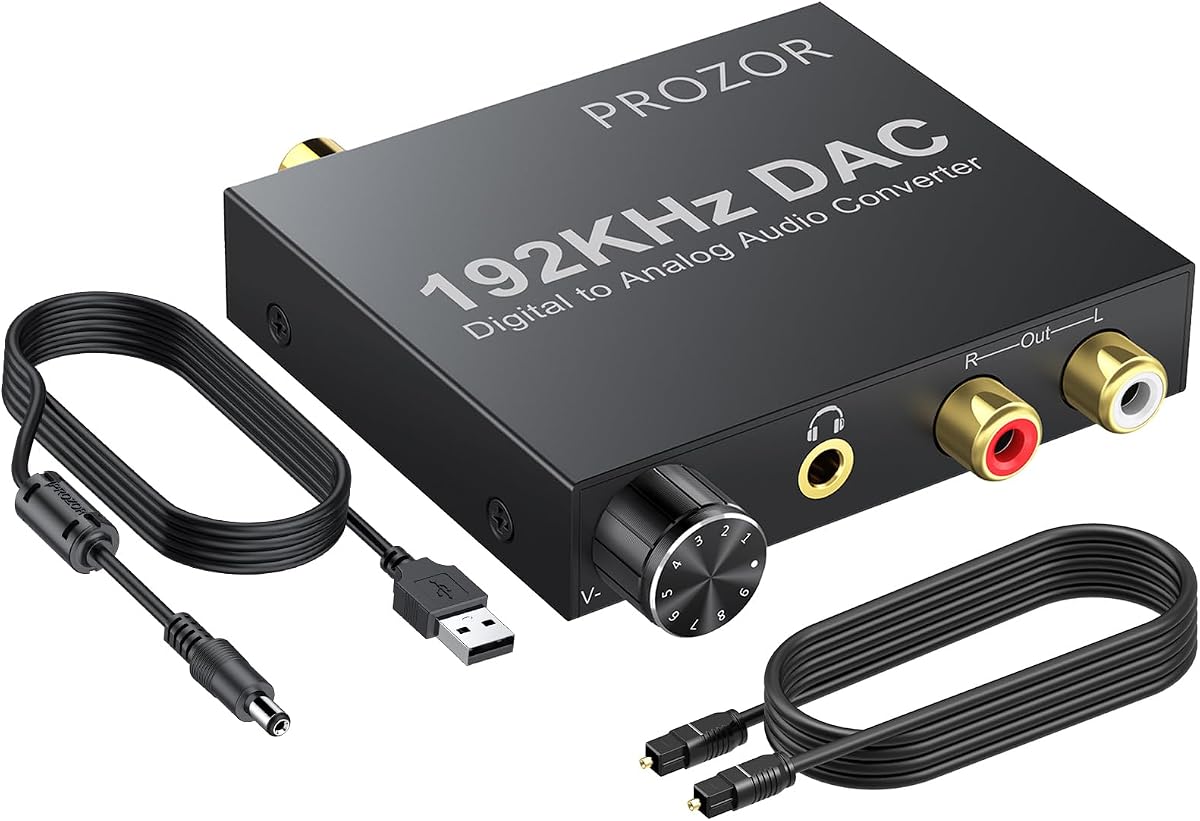
PROZOR 192KHz DAC
4.4Editor score
Supports up to 192kHz PCM
Optical and coaxial inputs
Compact aluminum alloy housing
This guide compares the best 192kHz DACs for high-resolution audio, covering budget converters and flagship models to help you choose the right digital-to-analo
High-resolution audio demands precise conversion to unlock true fidelity. A quality 192kHz DAC transforms digital signals into analog waves with minimal loss, ensuring clarity and detail for critical listening.
We evaluated ten top-rated converters based on performance, connectivity, and build quality. Our analysis focuses on models supporting 192kHz sampling rates, comparing chips, outputs, and real-world usability across different setups.
Each pick highlights specific strengths, from budget-friendly adapters to flagship amplifiers. Note that prices fluctuate frequently, so verify current offers before purchasing to ensure you get the best value for your investment.
4.4Editor score

4.6Editor score

4.6Editor score
The following table provides a side-by-side overview of all ten selected models. It highlights key specifications like supported formats, input types, and unique features to help you compare options quickly.



The D&A Alpha Pro HI-RES stands out as a top-tier 192kHz DAC designed for audiophiles. With a 4.6 rating, it delivers exceptional sound quality through its flagship ESS chip and advanced circuitry.
We may earn a commission when you buy through this link, at no additional cost to you.
Its ES9039MSPRO DAC chip supports MQA decoding and up to 768kHz PCM. The 4C-FBDA balanced amplification ensures clean power delivery, while three femtosecond oscillators minimize jitter effectively.
While it offers unmatched performance, its size and cost are significant considerations. It requires dedicated space in a rack setup and fits best in systems that can utilize its full potential.
If you seek reference-quality sound and have the budget, this unit is highly recommended. It serves as an all-in-one solution for digital conversion, amplification, and even preamplification needs.
The SIGMA DAC topology reduces output impedance significantly for better control over headphones and speakers.
Proprietary clocking architecture slashes jitter to 15ps, ensuring precise timing for clearer audio imaging.
We may earn a commission when you buy through this link, at no additional cost to you.
The PROZOR 192KHz DAC offers reliable performance at a budget-friendly price. It supports high-resolution audio up to 192kHz, making it an excellent entry point for upgrading TV or console audio.
We may earn a commission when you buy through this link, at no additional cost to you.
It features both optical and coaxial inputs, ensuring versatility for various sources. The aluminum housing provides durability and shielding against interference, while gold-plated connectors maintain signal integrity.
Limitations include a lack of volume control, requiring adjustments on the source device. It also outputs analog signals only, so it works best with active speakers or powered amplifiers.
For casual listeners wanting better sound without complexity, this converter is ideal. It handles standard PCM formats well and supports common devices like Apple TV, consoles, and Blu-ray players.
Supporting both Toslink and coaxial inputs ensures you can connect most modern digital audio sources seamlessly.
The upgraded aluminum alloy casing improves heat dissipation and offers better electromagnetic shielding than plastic alternatives.
We may earn a commission when you buy through this link, at no additional cost to you.
The Fosi Audio Q6 Mini earns its spot as a top choice for desktop setups. It delivers high-fidelity sound with an AKM DAC, supporting resolutions well beyond the standard 192kHz for superior clarity.
We may earn a commission when you buy through this link, at no additional cost to you.
Its USB-C, optical, and coaxial inputs handle diverse sources. The XMOS processor ensures stable data transfer, while the AK4493S chip provides low-noise, high-dynamic-range audio conversion.
Note that it does not drive headphones directly; it functions as a pre-out for external amplifiers. This limitation is minor given its focus on optimizing signal delivery to dedicated components.
For enthusiasts building a mini hi-fi system, this DAC strikes the right balance. It combines premium audio specs with a small footprint that fits any desk or rack shelf easily.
Supporting PCM up to 32-bit/768kHz ensures future-proof performance for high-resolution streaming services.
Engineered for clean conversion, it delivers an SNR over 121dB to reveal subtle musical details.
We may earn a commission when you buy through this link, at no additional cost to you.
This PROZOR model adds convenient volume control to the standard 192kHz converter formula. With a 4.4 rating, it suits users who need direct control over output levels from the box itself.
We may earn a commission when you buy through this link, at no additional cost to you.
It features both optical and coaxial inputs, supporting high-resolution PCM formats up to 192kHz. The aluminum casing ensures durability, while gold-plated connectors help minimize signal loss over time.
Volume adjustment is manual via a knob, which may not appeal to everyone. However, it eliminates the need to navigate TV menus for every listen, simplifying daily usage.
Ideal for bedroom or home theater setups, this converter offers practical functionality. It maintains audio quality comparable to other budget units while adding a crucial control feature.
A built-in knob allows you to adjust levels without accessing source device settings constantly.
Gold-plated input and output interfaces ensure reliable connections and reduce corrosion over years of use.
We may earn a commission when you buy through this link, at no additional cost to you.
The PROZOR 3.5mm adapter focuses on simplicity for headphone listeners. It converts optical signals directly to analog, allowing you to plug headphones straight into the converter for personal listening.
We may earn a commission when you buy through this link, at no additional cost to you.
Its built-in amplifier chip enhances clarity and volume. With a 4.5 rating, it delivers clean audio output suitable for daily TV watching or gaming on consoles like PS5 or Xbox.
It lacks RCA outputs, limiting speaker use, and has a basic plastic build. However, its convenience and low cost make it a practical choice for quick upgrades without cables clutter.
Best for users prioritizing ease of use, this adapter is a solid pick. It works reliably with most digital TVs and streaming devices when configured for PCM audio output correctly.
The direct 3.5mm jack allows for immediate connection to standard headphones without extra adapters.
An internal chip boosts signal strength, ensuring sufficient volume for most portable and desktop headphones.
We may earn a commission when you buy through this link, at no additional cost to you.
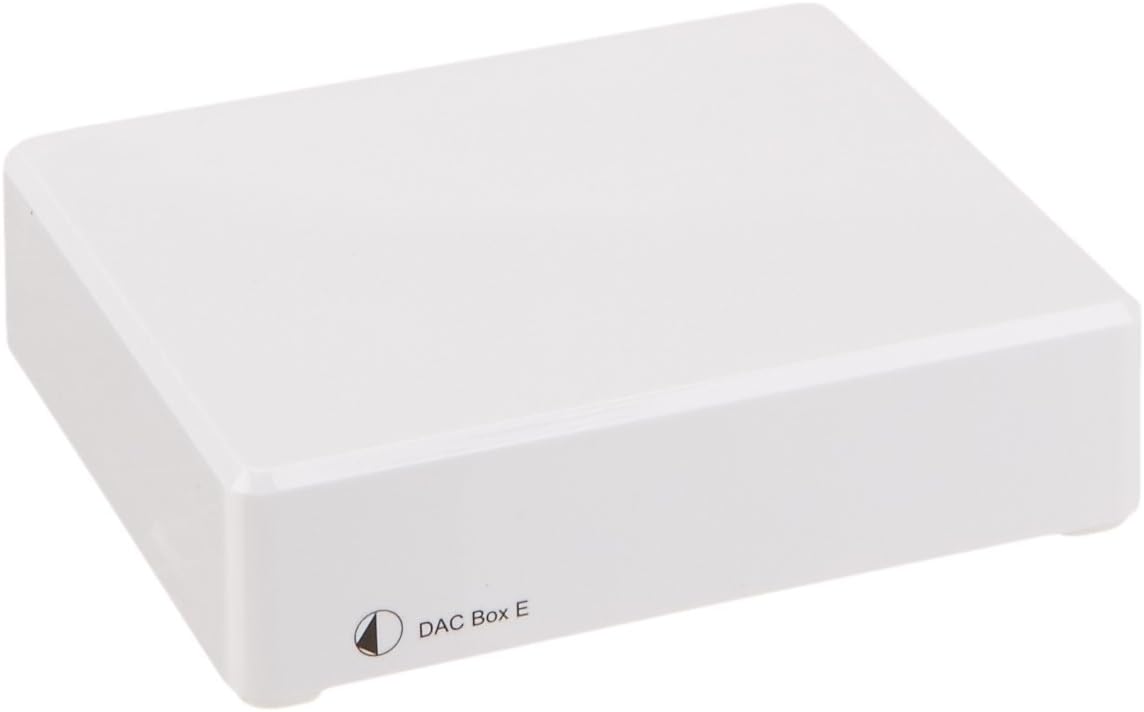
The Pro-Ject DAC Box E is a well-regarded option for those seeking brand reliability. It offers optical, coaxial, and USB inputs, supporting resolutions up to 192kHz for detailed analog output.
We may earn a commission when you buy through this link, at no additional cost to you.
Its aluminum chassis provides effective shielding against interference. The compact size makes it easy to fit into existing audio setups, whether for a desktop or a stereo rack.
User ratings are modest compared to others. This may reflect basic performance or lack of advanced features like balanced outputs or higher resolution support in some scenarios.
If aesthetics and brand trust matter most, this unit is worth considering. It serves well as a straightforward converter for standard high-res formats without excessive complexity.
Three input types ensure compatibility with computers, consoles, and traditional audio players effortlessly.
A small footprint and premium materials allow it to blend into any listening environment visually.
We may earn a commission when you buy through this link, at no additional cost to you.
The Fosi Audio Q4 combines DAC and headphone amp functions into one unit. It supports 192kHz audio and includes bass and treble controls, offering flexibility for desktop PC users.
We may earn a commission when you buy through this link, at no additional cost to you.
Inputs include USB, optical, and coaxial, while outputs provide both RCA and headphone jacks. Its metallic shell ensures durability and effective heat management during long listening sessions.
While tone controls are basic, they offer customization. It does not include a remote, requiring manual adjustment, which is typical for units in this price range and category.
For users wanting a single device for music and gaming, this model fits well. It balances functionality with cost, delivering solid performance for headphones and powered speakers alike.
Adjustable knobs let you tailor sound profiles to match personal preference or different genres.
Supporting USB, optical, and coaxial ensures compatibility with a wide variety of audio sources.
We may earn a commission when you buy through this link, at no additional cost to you.
This optical to XLR converter caters to specific professional setups. It converts Toslink signals to dual XLR, useful for connecting digital sources to audio interfaces or certain mixer inputs directly.
We may earn a commission when you buy through this link, at no additional cost to you.
It supports 192kHz sampling and offers lightweight portability. The included detachable cables make it easy to integrate into mobile or temporary configurations without needing extra adapters.
Outputs are unbalanced, limiting use in professional balanced systems. Its narrow focus means it suits a niche audience needing optical to XLR connectivity rather than standard consumer stereo.
For specialized tasks like live sound input conversion, this tool is handy. It remains reliable within its scope but is not a general-purpose DAC for home audio enthusiasts.
Dual XLR outputs enable direct connection to equipment that accepts professional analog inputs.
A compact and lightweight design allows you to take this converter on the go for live events.
We may earn a commission when you buy through this link, at no additional cost to you.
The SMSL PS100 supports HDMI ARC, making it ideal for TV audio extraction. It handles digital signals up to 192kHz and connects easily to PCs or consoles for better audio output.
We may earn a commission when you buy through this link, at no additional cost to you.
Its ES9023 DAC chip delivers clear conversion. With a compact design, it fits behind TVs or on desks, simplifying connections for home cinema or gaming setups without clutter.
Lack of headphone support limits direct listening. Users rely on external speakers or amplifiers. Still, its HDMI ARC feature is a standout for simplified TV audio routing.
For users needing TV audio extraction, this model is effective. It balances price and utility, offering multiple inputs for versatile use across different entertainment systems.
ARC support simplifies connecting modern TVs directly to external audio systems without extra cables.
A mini portable design lets you place the unit discreetly near your display or media console.
We may earn a commission when you buy through this link, at no additional cost to you.
This multifunction adapter offers multiple outputs including optical, coaxial, and analog. It supports HDMI ARC extraction, enabling simultaneous audio routing to various devices like speakers and headphones.
We may earn a commission when you buy through this link, at no additional cost to you.
Users can split audio to optical and analog outputs. Its 192kHz support ensures decent audio fidelity for general media consumption across TVs and projectors with compatible inputs.
Setup requires configuring audio formats correctly on the source device. While versatile, it lacks advanced processing features found in higher-end DACs meant for critical listening sessions.
For complex setups needing split audio outputs, this tool is practical. It simplifies multi-device audio routing without needing separate adapters for each connection type.
Simultaneous optical and analog outputs allow you to connect multiple systems from one source.
Optical inputs can also function as outputs, enabling flexibility in various audio signal configurations.
We may earn a commission when you buy through this link, at no additional cost to you.
Selecting the right DAC requires balancing performance, features, and budget. Here are key factors to consider before making your purchase decision.
Ensure the DAC supports at least 192kHz/24-bit PCM for high-resolution audio. Some models offer even higher rates or DSD support for extended dynamic range.
Look for formats matching your source files to avoid down-sampling and loss of detail.
Check for compatible inputs like USB, optical, coaxial, or HDMI ARC. Outputs should match your speakers or amp, such as RCA, XLR, or 3.5mm jacks.
More options increase versatility across TVs, consoles, computers, and turntables.
Premium chips from brands like ESS or AKM typically deliver lower distortion and noise. The chip choice impacts sound clarity and overall audio fidelity significantly.
Flagship chips often justify higher costs with measurable performance gains.
Metal housing offers better shielding and heat dissipation than plastic. Durable connectors like gold-plated RCA or XLR reduce signal loss and corrosion over time.
Sturdy construction ensures reliability and reduces unwanted electromagnetic interference.
Some DACs include headphone amps or preamp outputs, which adds value. Determine if you need direct headphone drive or just line-level output to external amps.
Combining DAC and amp functions saves space and reduces cable clutter.
Look for features like isolated digital/analog modules or femtosecond oscillators. These reduce jitter, improving timing accuracy and imaging in your audio.
Lower jitter results in clearer soundstages and better instrument separation.
Plug-and-play setups without drivers simplify installation. Volume controls on the unit itself offer convenience compared to adjusting settings via remote or software.
Consider if you need manual knobs or remote support for daily use.
Budget models provide basic conversion while premium units offer reference sound. Set a spending limit that matches your listening environment and critical needs.
Balance cost against features that matter most for your setup.
Set your source device audio output to PCM or LPCM to ensure compatibility. Many systems default to compressed formats that may not support 192kHz properly.
Connect power sources directly to wall outlets when possible. Using TV USB ports may cause noise or insufficient power for stable DAC operation.
Keep your DAC in a cool, dry place. Ensure proper ventilation around the housing to prevent overheating and extend the device's lifespan.
Yes, it can reveal more detail and reduce distortion if your recordings support high-resolution formats. It also ensures accurate conversion from digital sources to analog playback systems.
Optical and coaxial digital inputs are standard. USB and HDMI ARC are also common, offering flexibility for connecting computers and smart TVs.
Most DACs work with TVs via optical or HDMI ARC. You may need to adjust TV settings to PCM mode to avoid compatibility issues with compressed audio.
Not all. Only specific models designed for high-resolution audio support DSD formats. Check product specs carefully if you need DSD playback capabilities.
Some DACs include USB power while others require wall adapters. Using recommended power sources ensures stable operation and prevents audio noise or drops.
Yes, if the DAC has RCA or line outputs. You will need powered speakers or a separate amplifier to drive passive speakers effectively.
Our top picks include the D&A Alpha Pro for premium performance, the Fosi Audio Q6 Mini for desktop versatility, and the PROZOR 192KHz DAC for budget-friendly audio.
Prioritize inputs and outputs that match your existing gear. Consider whether you need amplification or just conversion to keep your setup streamlined and efficient.
Always verify current prices and availability before buying. Models fluctuate frequently, so checking today's offers ensures you secure the best value for your needs.